
by Heather King
For anyone interested in the dining scene of a city, it’s likely you’ve heard buzzwords like “farm-to-table”, “locally sourced”, and “seasonal ingredients” everywhere. But savvy diners are no longer impressed by trendy terminology—they’re looking for truth. If your restaurant is going to make a claim about the kind of food you serve, back it up. In this viral landscape where word spreads fast and trust is everything, authentic restaurant marketing has never been more important.
The Rise and Risk of Buzzwords
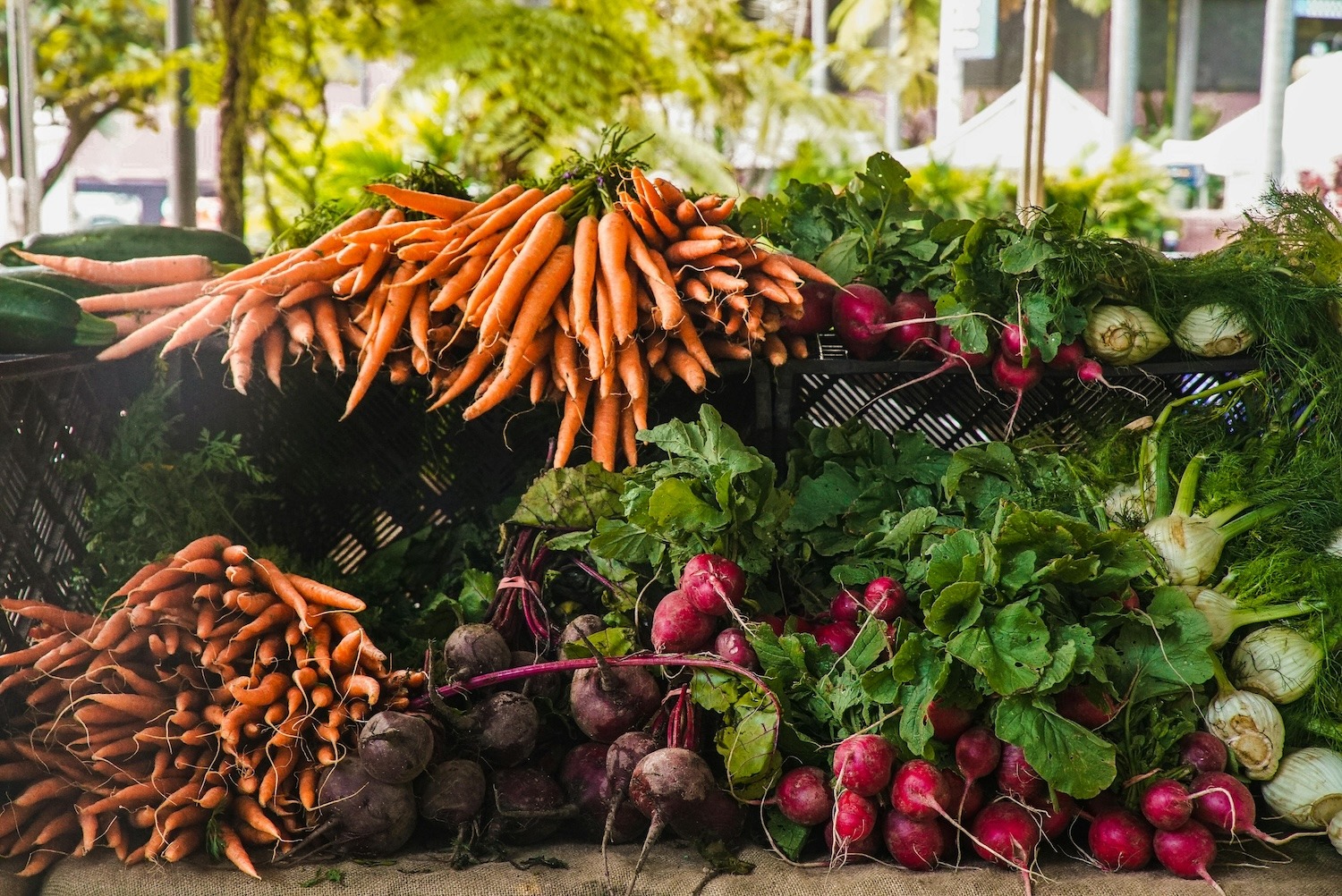
“Farm-to-table” used to imply a meaningful connection between a restaurant and local agriculture. Today, customers have grown wary of empty claims and greenwashing. They want to know how local your ingredients are. They want transparency: names of farms, in-season menus, or even images of deliveries arriving at your back door. If your menu says: “heirloom tomatoes from local farms,” but your produce is shipped in bulk from a national distributor, it’s only a matter of time before someone calls it out—online or in person.
Authenticity Is the New Currency
Today’s diners, especially millennials and Gen Z, value ethical practices and honest storytelling. They do their research, read reviews, and follow your restaurant on social media before ever walking through the door. This means your online presence needs to reflect your real values and practices—that authenticity is key to building and keeping customers’ trust.
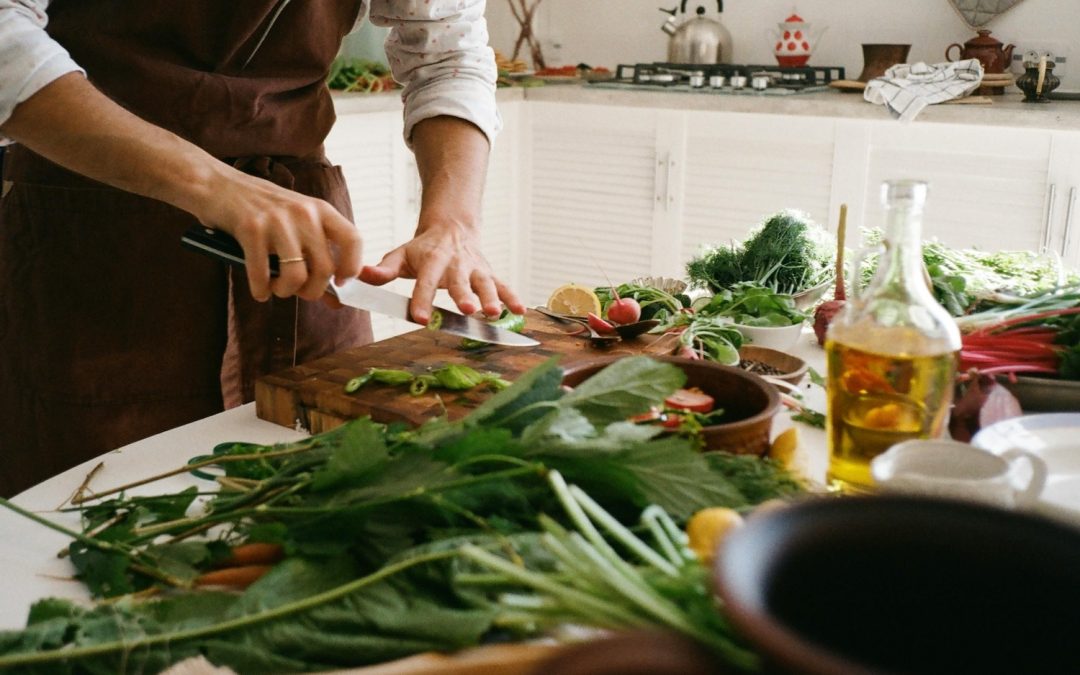
So, how do you do that? Start by sharing the real stories behind your food. Feature local purveyors who supply ingredients on your website. Highlight staff as they visit farmers markets or collaborate on seasonal dishes. Post behind-the-scenes photos and videos on Instagram or TikTok that show your process before it becomes the polished plate. If you’re changing menus with the seasons or growing herbs on the patio, share the progress.
Don’t Just Say It, Show It
An interesting example of authentic restaurant marketing might be a chef who takes a field trip to a local goat dairy and posts a short video explaining how that farm’s chevre inspired a new appetizer. Or a restaurant that features a different local purveyor each month with signage on the table, links on the website, and even QR codes that connect to supplier profiles. When you do these things, you're not just saying you're farm-to-table—you’re proving it.
Trust Builds Loyalty
Authenticity is not only good business, it’s an ethical business practice. When guests believe in your mission and see you consistently strive to achieve it, they become loyal advocates—posting about their experiences, leaving glowing reviews, and bringing their friends.
So, the next time you’re tempted to write “locally sourced” on your menu, pause and ask: Can I prove it? Authentic restaurant marketing means more than catchy copy—it means building customer trust by walking the talk, from farm to fork.
Recent Comments