
by Heather King
If you’re still thinking about delivery apps as an extension of your restaurant’s kitchen, it’s time to rethink your approach. The simple truth is: delivery platforms are not primarily fulfillment tools, they’re search engines for diners.
A strong food delivery marketing strategy begins by recognizing that roughly 70% of diners use delivery apps the way previous generations used the Yellow Pages—as a directory to find something new. They open the app not because they’re loyal to a brand, but because they’re browsing. They’re searching. They’re comparing.
That means you’re not just competing on menu options and food quality, you’re competing for attention.

Your Listing is Your Billboard
Many restaurants fixate on the 30% commission fee charged by major delivery platforms. And yes, that percentage can sting. But consider reframing it.
Rather than thinking about that 30% as a processing fee, consider it the cost of a billboard on a digital highway with thousands of hungry drivers passing by every hour. You’re paying for prime visibility in the busiest food corridor in your city.
In traditional marketing, you would spend thousands on outdoor advertising, direct mail, or social ads just to get people to notice you. Delivery apps compress that discovery moment into a single scroll. Your listing, which includes your photos, menu descriptions, and ratings, is a delicious billboard. And when a diner taps your restaurant, that billboard has done its job.
So if delivery apps function as digital highways, your listing needs to reflect your brand in the best possible light.
High-quality photography is essential. Clear menu descriptions encourage customers to place an order. Thoughtful item naming helps your restaurant stand out in crowded categories. Strategic menu design that highlights high-margin, travel-friendly items helps you attract profitable orders.
Ratings and reviews also serve as social proof. Encourage satisfied customers to leave feedback. A small increase in star rating can significantly impact click-through rates and conversions.
In short, treat your delivery app profile with the same care you would give a major advertising campaign—because that’s exactly what it is.
Discovery First, Profit Second
The mistake many restaurant owners make is trying to optimize delivery apps for margin alone, instead of optimizing them for acquisition.
If 70% of users are browsing for new options, then delivery apps are top-of-funnel marketing channels. They introduce your brand to customers who may never have walked past your storefront.
So, your restaurant delivery marketing strategy should treat every first-time order as a lead. The profit from that initial order may be thin after commission fees, but the customer's lifetime value is where the real opportunity lies.
Think of it this way: if you acquire a new guest through a delivery app and convert them into a repeat direct-order customer, the 30% fee becomes a one-time marketing expense. That shift in marketing mindset can be a revelation.
Once They Find You, Go Offline
Here’s the part most restaurants miss: the app owns the transaction, but you can own the relationship.
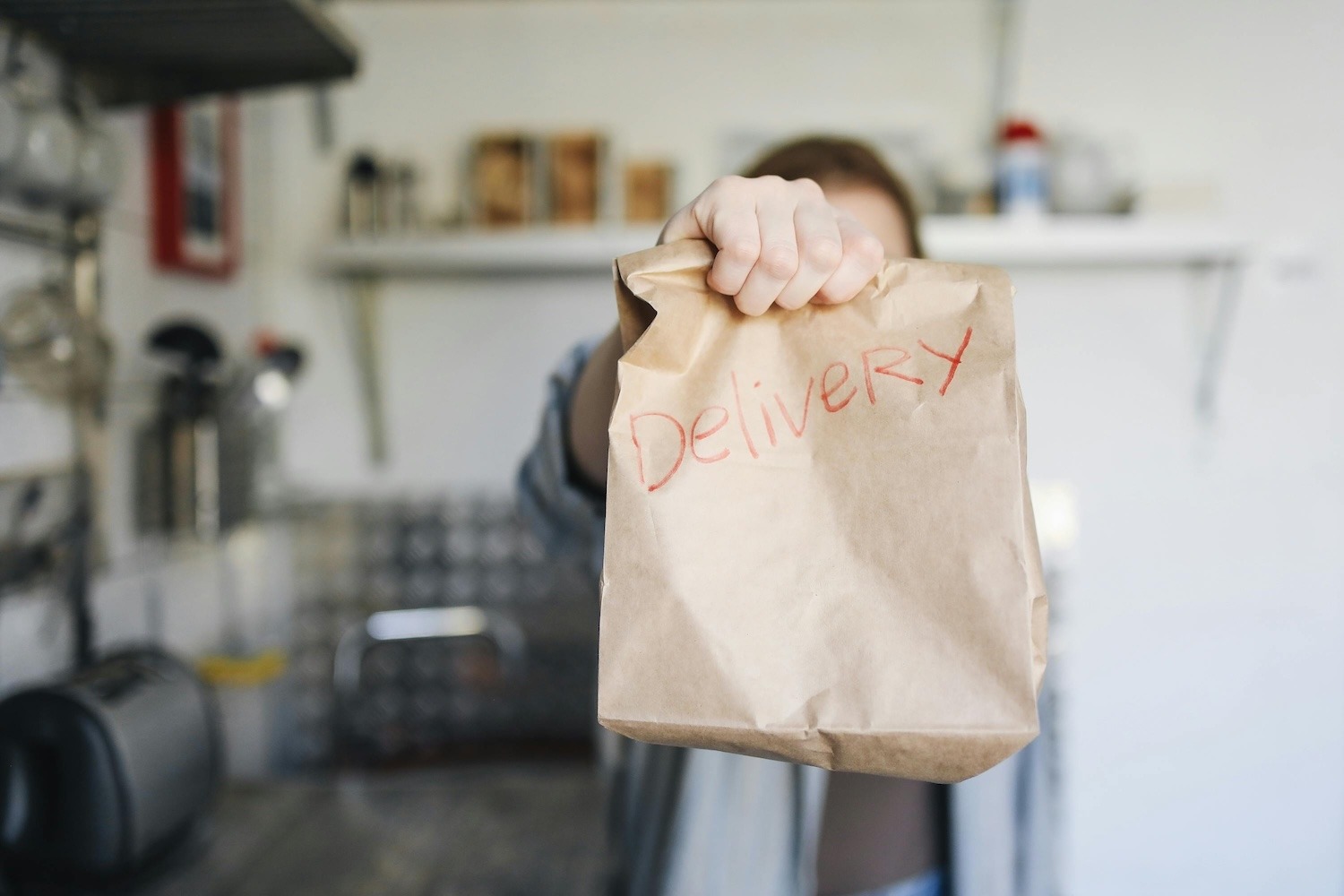
Once a diner has discovered you, your goal is to move the relationship “offline.” Include branded packaging that feels intentional and memorable. Add a small insert encouraging customers to order directly on your website next time for perks like loyalty points or exclusive offers. Highlight your social media handles. Offer bounce-back incentives for in-store visits.
The key is a subtle, but strategic transition. The billboard introduced you. Now you need to build familiarity and preference outside the delivery app’s ecosystem so your restaurant won’t remain dependent on paid visibility every time the customer opens the app.
Turning One-Time Orders into Long-Term Guests
The most successful restaurant marketing strategy ultimately builds brand equity.
When a customer’s first experience with your food is excellent—packaged well, delivered accurately, and presented thoughtfully, you’ve earned the trust of a customer, and that’s more valuable than a single sale.
Follow that trust with consistent messaging and positive engagement across your website, email marketing, and in-store experience. Make it easy to order directly next time and reward loyalty as they dine in and tell friends.
Stop Treating Apps Like Utilities
When restaurants view delivery platforms solely as logistics providers, they focus on minimizing fees. When it’s viewed as a marketing channel, the focus shifts to maximizing exposure and conversion.
But visibility without follow-up is wasted spend.
Treat delivery apps like a digital billboard where new customers find your restaurant. Recognize that the 30% commission is the price of visibility in a crowded market. Optimize your listing. Capture attention. Deliver an exceptional first experience. Then take ownership of the relationship.
Recent Comments