
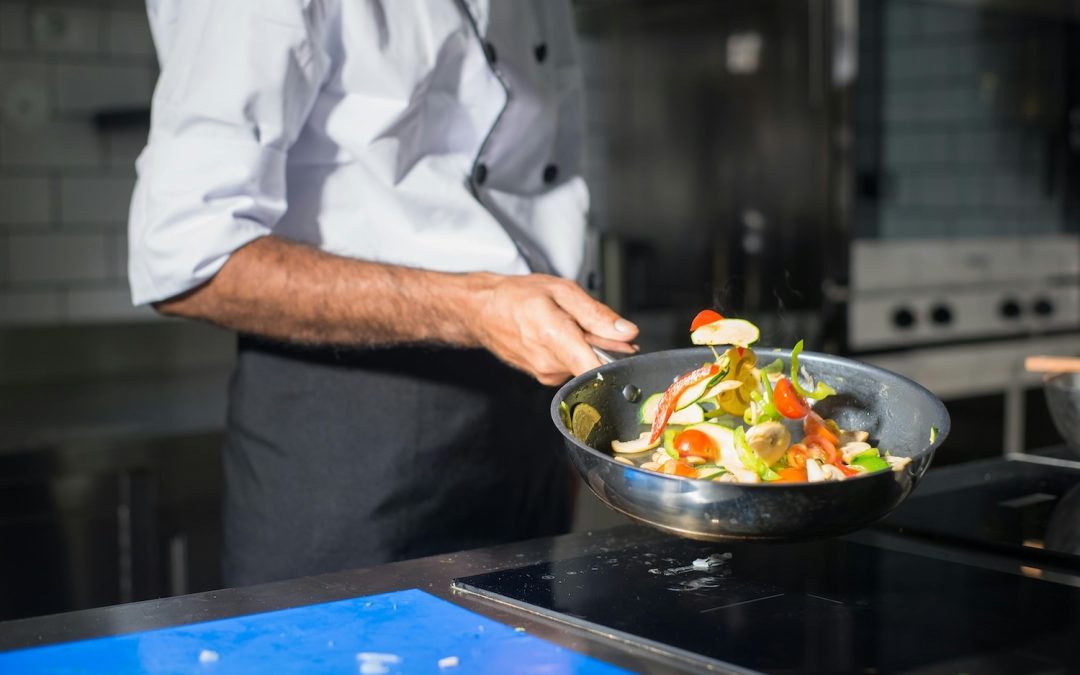
Seasonal menu transitions are a natural part of running a restaurant. As spring approaches, many kitchens take the opportunity to review what’s working, what’s slowing down service, and which dishes are no longer speaking to guests. Too often, though, these changes are treated quietly—items simply disappear from the menu without explanation.
A smarter approach is to turn those changes into a marketing moment. With thoughtful messaging, the annual menu refresh can become a strategic opportunity. When done well, restaurant menu optimization not only streamlines operations but also creates excitement among guests.
Reframe the “Spring Clean”
Spring cleaning isn’t just for homes. Restaurants also benefit from trimming complexity and focusing on dishes that deliver consistent quality and profitability. Instead of framing menu cuts as something negative, position them as part of a seasonal evolution.
Marketing language matters. Saying, “We’re refreshing the menu for spring,” signals intention. Guests understand that menus should evolve with the seasons, and many diners look forward to trying something new as part of a seasonal menu rotation.
By communicating that your kitchen is refining and improving the menu with new seasonal dishes, you turn a routine operational decision into an exclusively timed brand story.
Create Limited-Time Farewell Dishes
Before removing certain items entirely, consider offering them as short-term specials. A “Last Call” or “Goodbye to Winter [insert whatever season]” menu can feature dishes that are about to leave, giving regulars one more chance to enjoy them.
This approach taps into the psychology of scarcity. When guests know a dish will soon be unavailable, they are more likely to order it and talk about it right away. Restaurants can highlight these dishes on social media, email newsletters, or table tents with phrases like: “Two weeks left to enjoy this guest favorite.”
This kind of messaging adds urgency and turns your restaurant menu optimization into an experience.
Introduce Seasonal Drops
Once seasonal dishes rotate out, replace them with something that feels equally exciting. Instead of simply adding new dishes, consider introducing them as seasonal drops—a concept borrowed from the fashion and streetwear world.
A seasonal drop is small, intentional, and exclusive. Rather than launching five or six new menu items all at once, spotlight two or three dishes that reflect the season. For spring, that might include lighter flavors, fresh herbs, citrus accents, or produce that signals warmer days ahead.
Guests appreciate knowing that what they’re ordering feels current and temporary. Limited availability often increases curiosity and demand.

Turn Seasonal Dishes Into a Story
Successful restaurant menu optimization involves more than updating a PDF menu. Share the reasoning behind the changes to tell the story.
Maybe new produce from regional farms inspired fresh ideas. Maybe chefs were experimenting during the winter and are now ready to debut their favorites. Maybe the kitchen wanted to simplify service to make meals more consistent during busy evenings.
These behind-the-scenes insights make diners feel connected to the restaurant’s process.
Social media is especially effective here. A short video of a chef plating a new seasonal dish or explaining why certain ingredients are arriving in spring can make the change feel intentional and exciting.
Reward Your Regulars
Whenever a menu shifts, loyal customers notice first. Give them a reason to stay engaged by offering early access or insider perks.
For example, announce a preview night for new spring dishes or offer loyalty members the chance to try a seasonal item before it officially launches. Even a simple email that says “You’re the first to know about our spring menu refresh” helps strengthen the relationship.
Turn Efficiency into Excitement
At its core, restaurant menu optimization is about efficiency. Fewer underperforming dishes mean faster service, simpler inventory, and stronger margins.
But from a guest’s perspective, those operational improvements can feel like something more exciting: a restaurant that evolves, experiments, and stays creatively fresh.
By framing your spring menu adjustments as exclusive seasonal drops rather than quiet cuts, you transform routine housekeeping into something guests actually look forward to.
And when diners start looking forward to your next menu refresh, you know the strategy is working.
Recent Comments